
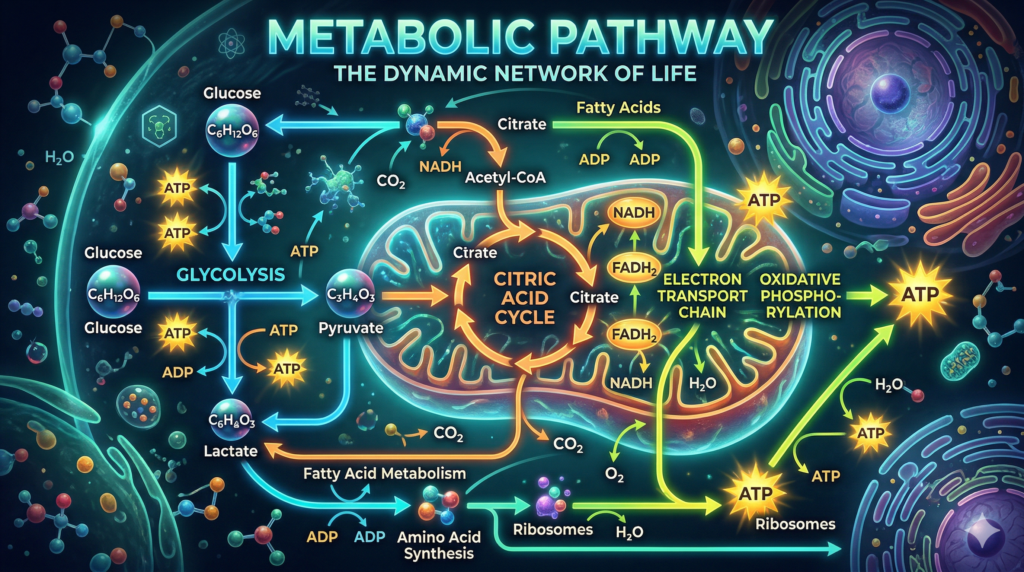
Table of Contents
The Human Engine: Metabolism as a Recycling Factory, WoW!
Metabolism as a Recycling Factory: Have you ever wondered what happens to that sandwich you ate for lunch once it disappears? It doesn’t just “turn into energy” in a single, magical puff of smoke. Instead, your body treats every meal like a shipment of raw materials arriving at a high-tech facility. In many ways, you can view metabolism as a recycling factory—a bustling, 24/7 operation that transforms “scrap” into essential life-sustaining products.
The Intake Phase: Sorting the Scraps
Metabolism as a recycling factory: In our recycling plant analogy, think of your meal as a truckload of used plastic bottles. Just as a factory receives different grades of PET plastic, melts into liquid and then again converted to different type of furniture like chair, table etc. Same way your body also receives three main “scrap” categories: carbohydrates, proteins, and lipids.
The first step in any efficient facility is sorting and shredding. This is your digestion. Your enzymes act as the factory workers, shredding complex proteins into amino acids and complex carbs into simple sugars. At this stage, the “bottles” lose their original identity. The body no longer cares if the protein came from a lentil or a steak; it only cares about the resulting “plastic flakes” (building blocks) it can now use.
Catabolism: Melting Down the Material
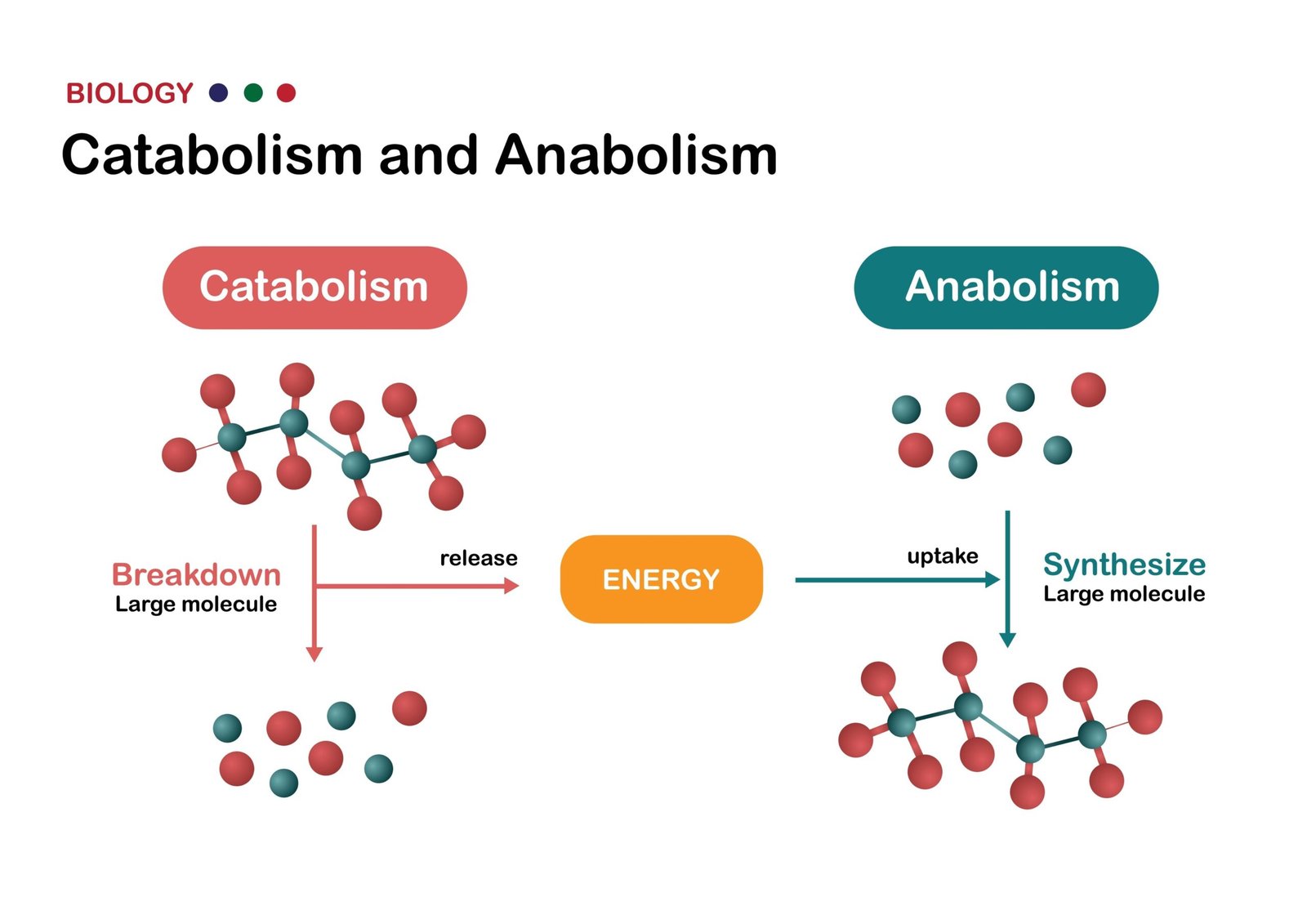
The metabolic process is divided into two main shifts. The first shift is Catabolism. In our factory, this is the furnace where the shredded plastic flakes are melted down.
Catabolism is the process of breaking down molecules to release energy. When you see metabolism as a recycling factory, catabolism represents the stage where the structural integrity of the “scrap” is sacrificed to harvest the power (ATP) needed to keep the factory lights on. Without this “melting” phase, the factory would have plenty of material but no electricity to run the machines.
Anabolism: Crafting the New Products
Metabolism as a recycling factory: Once the material is in its “molten” or basic state (glucose, amino acids, fatty acids), the second shift begins: Anabolism. This is where the true ingenuity of the factory shines.
Just as a recycling plant takes molten plastic and injection-molds it into a sturdy chair or a child’s toy, your body uses anabolism to reassemble those basic blocks into something entirely new.
- The Structural Frames: Amino acids are reshaped into muscle fibers and collagen (the “chairs and tables” of your body).
- The Precision Tools: Some materials become enzymes and hormones (the “specialized machinery” that keeps the plant’s operations synchronized).
- The Warehouse: Excess “molten plastic” isn’t thrown away; it’s cooled and stored as glycogen or adipose tissue (the “inventory” for future use).
Efficiency: No Nutrient Left Behind
One of the most remarkable aspects of viewing metabolism as a recycling factory is the concept of zero waste. In a poorly managed factory, scraps might pile up in the corner, leading to “pollution” (toxins or metabolic dysfunction). However, a healthy metabolism is incredibly resourceful.
If the body is low on “carbohydrate scrap,” it can pivot, melting down stored fat or even structural proteins to ensure the factory keeps running. This metabolic flexibility ensures that every “bottle” you consume is eventually put to work, whether as immediate fuel or a long-term structural component.
The Factory Manager: Regulating the Flow
Every factory needs a manager to decide what to build today. Should we make more muscle “chairs” or store more energy “stockpile”? This role is played by your hormones, such as insulin and glucagon. They signal the factory workers to speed up the melting (catabolism) or prioritize the molding (anabolism) based on the body’s current needs.
Conclusion: Honoring Your Internal Factory
Understanding metabolism as a recycling factory changes how we view nutrition. We aren’t just “eating”; we are providing our internal facility with the raw materials it needs to rebuild itself. If we provide high-quality “scraps,” the factory produces high-quality goods.
By supporting this internal recycling process through balanced nutrition, hydration, and rest, we ensure that our “molten” building blocks are always ready to be reshaped into a stronger, more resilient version of ourselves. Your digestive system also needs rest.
Ram Niwas Bansal
“Jaise sharir ko service ki zaroorat hai, waise hi aapke finances ko bhi sahi direction ki zaroorat hai. Swasth sharir aur surakshit bhavishya ke liye mujhse sampark karein.”
Disclaimer: I hold a Diploma in Naturopathy and am an AMFI-Registered Mutual Fund Distributor and Licensed Insurance Advisor. This content is authored based on my studies in holistic wellness and professional expertise. The information provided is for educational purposes only and should not be treated as a substitute for professional medical advice, diagnosis, or treatment. Always seek the advice of your physician or other qualified health provider with any questions you may have regarding a medical condition. Furthermore, financial mentions are subject to market risks; please read all scheme documents carefully before investing.