Table of Contents
Introduction
What is Naturopathy? Many people are familiar with Allopathy, Homeopathy, and Ayurveda, but fewer people know about Naturopathy. Some are not even aware that such a system of health care exists. Naturopathy is a holistic approach to health that focuses on the body’s natural ability to heal itself when supported by the right conditions.
According to naturopathy philosophy, health is not created only through medicines. It is supported through proper food, clean habits, fresh air, sunlight, water, exercise, rest, and mental balance. Rather than only managing symptoms, naturopathy aims to improve the overall condition of the person.
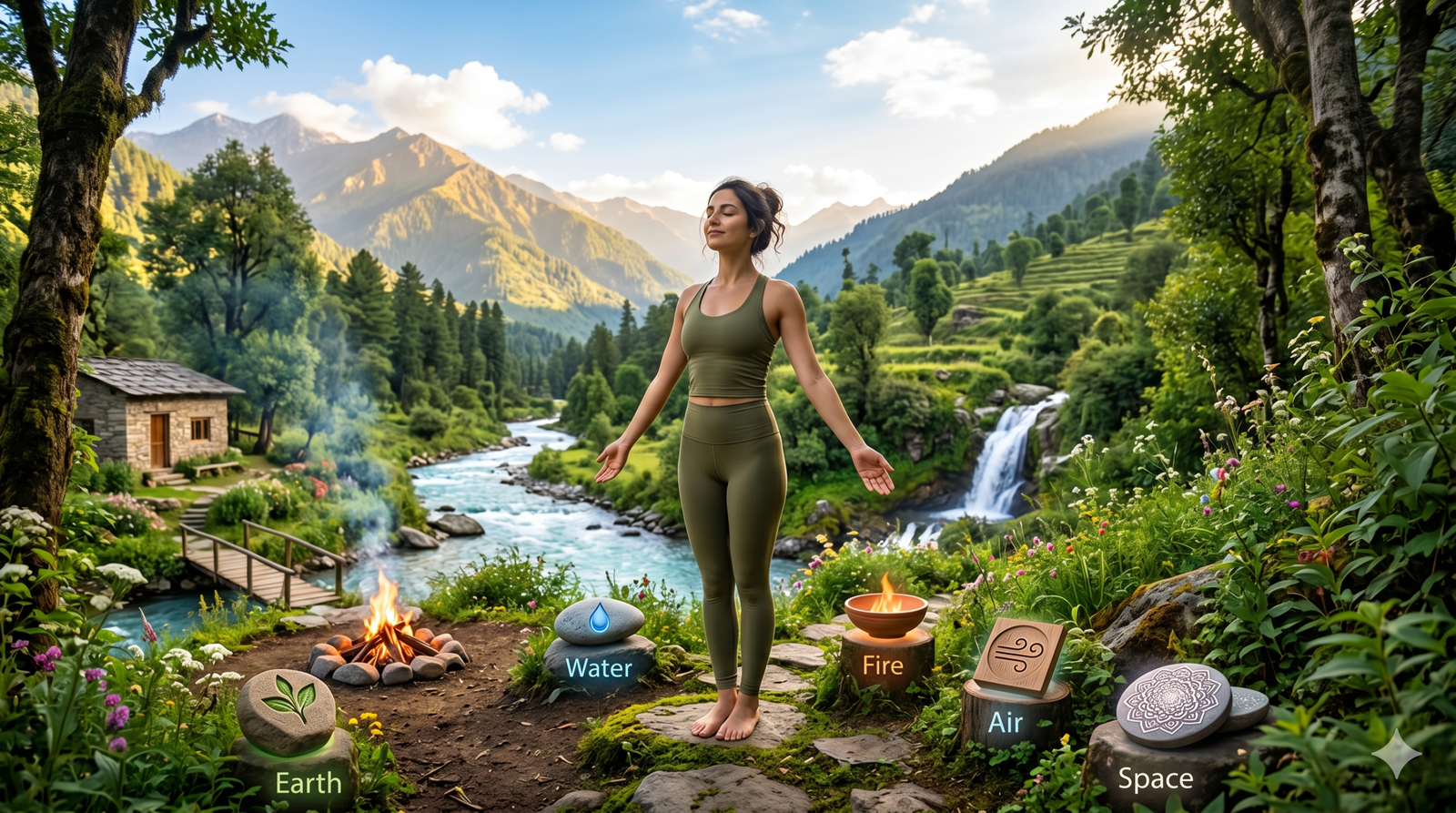
To understand this in simple terms, imagine a wall built from bricks, cement, and sand. If it gets damaged, it is repaired using the same materials. In a similar way, traditional nature cure teaches that the body is closely connected with the five elements of nature, and these natural forces can help restore balance.
What is Naturopathy?
Naturopathy is a natural system of wellness and healing that encourages the body to recover through natural methods and healthy living. It emphasizes prevention, self-care, education, and addressing the root causes of imbalance.
This system often includes:
- Natural diet
- Fasting or digestive rest
- Hydrotherapy
- Mud therapy
- Sun exposure
- Breathing practices
- Exercise
- Stress management
- Proper sleep
- Positive lifestyle habits
The main idea is simple about what is naturopathy: when obstacles to health are removed, the body functions better.
10 Principles of Naturopathy
1. All Diseases Have a Common Basis
Traditional naturopathy teaches that many diseases arise from similar internal imbalances, unhealthy habits, or accumulation of waste. Therefore, restoring balance is considered an important part of healing.
2. The Body Heals Itself
The human body has an inherent ability to repair tissues, fight challenges, and maintain health. Naturopathy focuses on supporting this natural healing capacity.
3. Nature is the Greatest Healer
Fresh air, sunlight, pure water, natural food, and contact with nature are considered powerful supports for health and recovery.
4. Accumulation of Waste Disturbs Health
According to naturopathy, poor digestion, overeating, inactivity, and unhealthy habits may lead to waste buildup in the body, which can disturb normal function.
5. Acute Disease May Be a Cleansing Process
Symptoms such as fever, mucus discharge, or temporary discomfort may be viewed as the body’s effort to remove unwanted matter and restore balance.
6. Chronic Disease May Follow Repeated Suppression
When symptoms are repeatedly managed without addressing underlying causes, long-term health issues may continue or return.
7. Food is Medicine
Natural and balanced food supplies the nutrients and building materials the body needs for maintenance and repair.
8. Fasting Supports Healing
Proper fasting or controlled digestive rest may allow the body to redirect energy toward recovery and internal balance.
9. Treat the Whole Body
Naturopathy looks at the whole person—body, mind, emotions, habits, and environment—instead of focusing on one symptom alone.
10. Prevention is Better than Cure
Healthy routines, physical activity, discipline, and education help reduce the risk of many lifestyle-related problems.
What is Naturopathy: Use of the Five Elements
After having known, what is naturopathy, let’s see how Traditional naturopathy connects health with five natural elements.
1. Earth
Used through mud packs, mud baths, gardening, and walking barefoot on natural ground.
Common purpose: cooling, relaxation, and connection with nature.
2. Water
Used through drinking water, baths, compresses, steam, and hydrotherapy.
Common purpose: cleansing, refreshment, and circulation support.
3. Fire
Represented by sunlight and warmth.
Used through sunbathing, warm applications, and natural heat.
Common purpose: vitality, warmth, and metabolic support.
4. Air
Used through fresh air exposure, breathing exercises, and outdoor movement.
Common purpose: oxygenation, calmness, and energy.
5. Space
Represents rest, simplicity, silence, and inner balance.
Used through fasting, meditation, and mental relaxation.
Common purpose: clarity and restorative balance.
Why Do Illnesses Develop?
According to naturopathy, common contributing factors may include:
- Poor food habits
- Stress
- Lack of sleep
- Inactivity
- Overeating
- Pollution
- Lack of sunlight
- Irregular routine
- Emotional imbalance
- Poor lifestyle choices
When these factors continue for a long time, health may be affected.
Simple Steps Toward Better Health
- Eat fresh and balanced meals
Stay physically active
Drink enough water
Get sunlight regularly
Sleep on time
Practice deep breathing
Manage stress
Avoid excess habits
Maintain discipline
Stay connected with nature
Conclusion
What is Naturopathy? Naturopathy is more than a treatment method—it is a philosophy of healthy living. It teaches that the body has remarkable self-healing potential when supported with proper habits and natural care. By understanding its principles and applying them wisely, people can move toward better balance, energy, and long-term wellness.
Sometimes, the simplest path to health begins by returning to nature.
Frequently Asked Questions
Is naturopathy only for sick people?
No. It is also used for prevention, wellness, and healthier living.
Can naturopathy help lifestyle balance?
Many people use naturopathy principles to improve routine, habits, and overall well-being.
Is fasting necessary in naturopathy?
Not always. It depends on the person, condition, and professional guidance.
Can naturopathy replace emergency care?
No. Emergency and serious medical conditions require immediate professional treatment.
Disclaimer
Most of the people have not idea about what is naturopathy? This article is for educational purposes only and reflects general naturopathy principles. It is not a substitute for professional medical advice, diagnosis, or treatment. Always consult a qualified healthcare professional for medical concerns or emergencies.
Pingback: Namanti Falino Vriksha: Power of Humility in2 Life