

Table of Contents
Introduction
Duties and Responsibilities of Members in a Housing Society: In the world of Co-operative Housing Societies (CHS), we often talk extensively about our “Rights.” However, the true success, harmony, and property value of a society depend entirely on how well its members fulfill their “Duties.” According to the Maharashtra Co-operative Societies Act and Model Bye-Laws, every member carries specific fundamental responsibilities.
In this article, we will explore the key duties that transform a resident into a “Responsible Citizen” and a valuable asset to the community.
1. Financial Integrity: The Foundation of Service
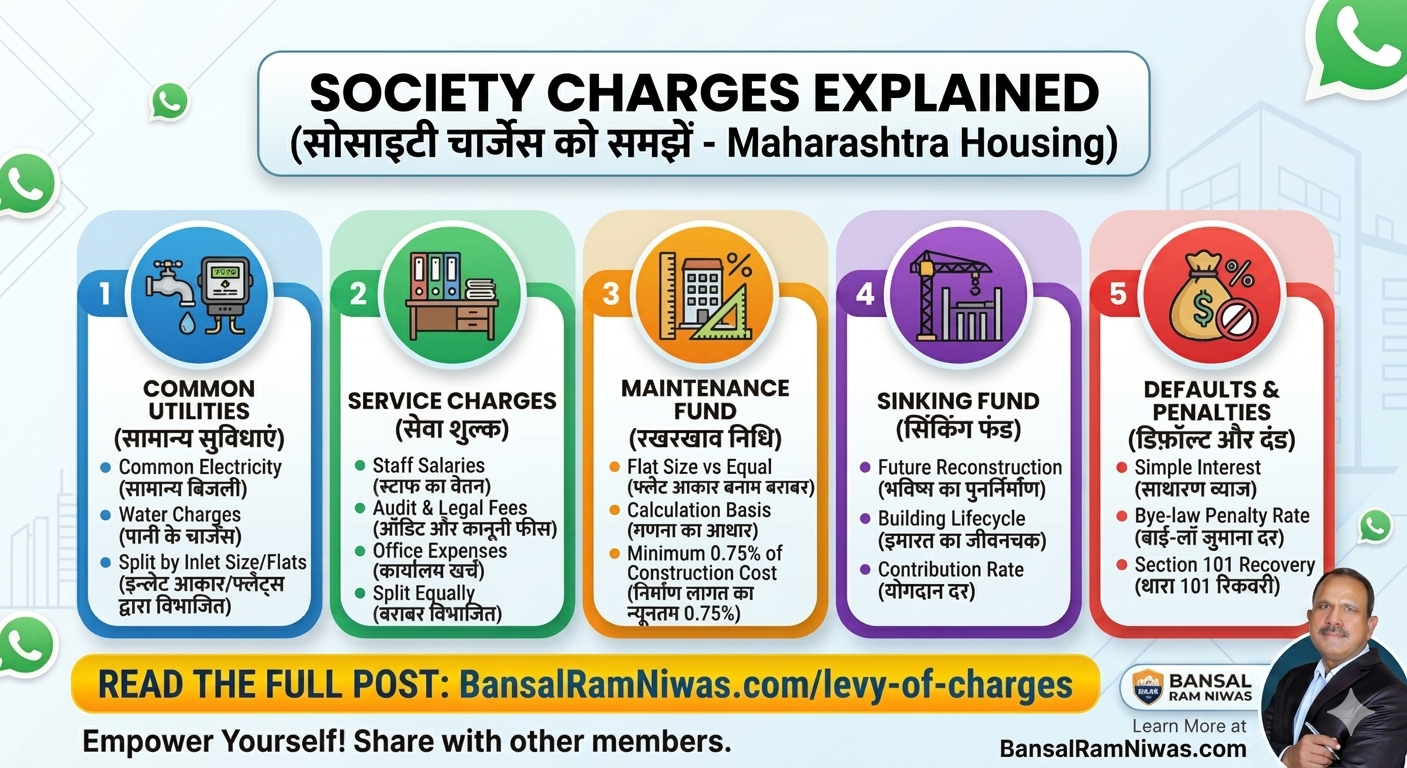
Duties and Responsibilities of Members: A society’s maintenance and amenities are only as good as the contributions of its members.
- Timely Maintenance Payments: It is the primary duty of every member to pay monthly dues, sinking funds, and other society levies by the due date.
- Clearing Arrears with Interest: If a payment is delayed for any reason, members should pay the prescribed interest or late fees without dispute to keep the records clean.
2. Active Participation in Governance
Duties and Responsibilities of Members: A CHS functions as a micro-democracy. If members remain passive, the burden of management falls on just a few volunteers, often leading to burnout or inefficiency.
- Attending General Body Meetings (AGM): Attending the AGM is not just a right; it is a duty to your own investment and property.
- Voting and Elections: Participate in the democratic process to ensure that a capable, honest, and transparent Managing Committee is elected.
3. Legal and Administrative Compliance
Duties and Responsibilities of Members:
- Submission of Nominations: Ensure you have filed your nomination forms with the society office to prevent future legal hurdles for your heirs.
- Reporting Transfers and Rentals: Always inform the committee before selling your flat or giving it on leave and license. Ensure all necessary documents and police verification are submitted in advance.
- Permission for Renovations: Seek written permission before starting any internal structural repairs or major renovations to ensure the safety of the entire building.
4. The Social Fabric: Community and Culture
Duties and Responsibilities of Members: A vibrant society is one where residents live like an extended family.
- Participation in Cultural Activities: Actively participate in festivals and community functions. These gatherings are essential for the social development of children and provide vital support systems for senior citizens.
- Volunteering for Events: Don’t just be a guest; offer your time or skills to help organize community events. A society thrives on the voluntary spirit of its members.
5. Common Area Etiquette and Discipline
Zero Encroachment: Lobbies, staircases, and terraces are shared properties. It is your responsibility to keep them clear of personal storage or scrap.
Parking Discipline: Park only in your allotted slots and strictly follow the society’s traffic and safety guidelines within the premises.
Conclusion
Duties and Responsibilities of Memebrs: A Co-operative Housing Society is more than just a legal entity; it is a collective of individuals striving for a better quality of life. While laws and bye-laws provide the framework, it is the proactive fulfillment of duties by members that brings a society to life. By maintaining financial discipline, participating in meetings, and engaging in cultural celebrations, we don’t just maintain a building—we build a home. Let us move forward with a spirit of cooperation, ensuring that our society remains a benchmark of harmony and efficient management.
Frequently Asked Questions (FAQs)
Q1. Is it legally mandatory to pay maintenance on time?
Yes. Societies have the legal right to recover arrears through legal channels, and persistent defaulters may lose certain rights, including the right to vote in elections.
Q2. Do I need permission for minor repairs inside my flat?
For minor cosmetic changes, permission may not be needed, but for anything involving plumbing, electrical changes, or structural walls, written permission is mandatory.
Q3. What should I do if I have a dispute with the Managing Committee?
Members should raise their concerns formally in writing. If a resolution is not reached, the matter can be escalated to the Deputy Registrar of Co-operative Societies.
Disclaimer: This article is written for general informational and awareness purposes only. For specific legal matters, always refer to the official “Maharashtra Co-operative Societies Act” documents or consult with a qualified legal advisor.
Does your society face challenges with maintenance or member participation? Share your thoughts in the comments below, and don’t forget to share this guide with your society’s WhatsApp group!