Table of Contents
Introduction
Environmental conditioning on human health is an invisible, continuous force that permanently reshapes our physical, biological, and psychological foundations over time. We often treat health and lifestyle choices as isolated, day-to-day decisions. In reality, our bodies and minds are constantly absorbing, adapting to, and reflecting the precise conditions of our surroundings—often with structural consequences that standard, surface-level remedies can never truly undo.
To understand this deep biological transformation, one only needs to look at a simple household object: a white plastic water purifier installed in a busy kitchen. Over years of prolonged exposure to cooking smoke, heat, and oil vapors, the pristine white plastic gradually absorbs the airborne particles, turning a stubborn, irreversible yellow. No amount of surface scrubbing, chemical washing, or superficial cleaning can return it to its original state. The smoke has chemically bound with the internal polymer matrix; the environment has literally become part of the material.
This simple material degradation serves as a perfect metaphor for human existence. When a living system is subjected to prolonged exposure, the environmental factors infiltrate deep past the surface, fundamentally altering our biology, our genetics, and the structural integrity of our society.
1. The Biological Layer: From Environment to Epigenetics
Environmental conditioning on human health: For decades, classical biology taught us that our DNA blueprint is unchangeable—fixed at birth and passed down unaltered. However, modern medical science has uncovered a groundbreaking field that confirms the exact premise of the yellowed purifier: Epigenetics.
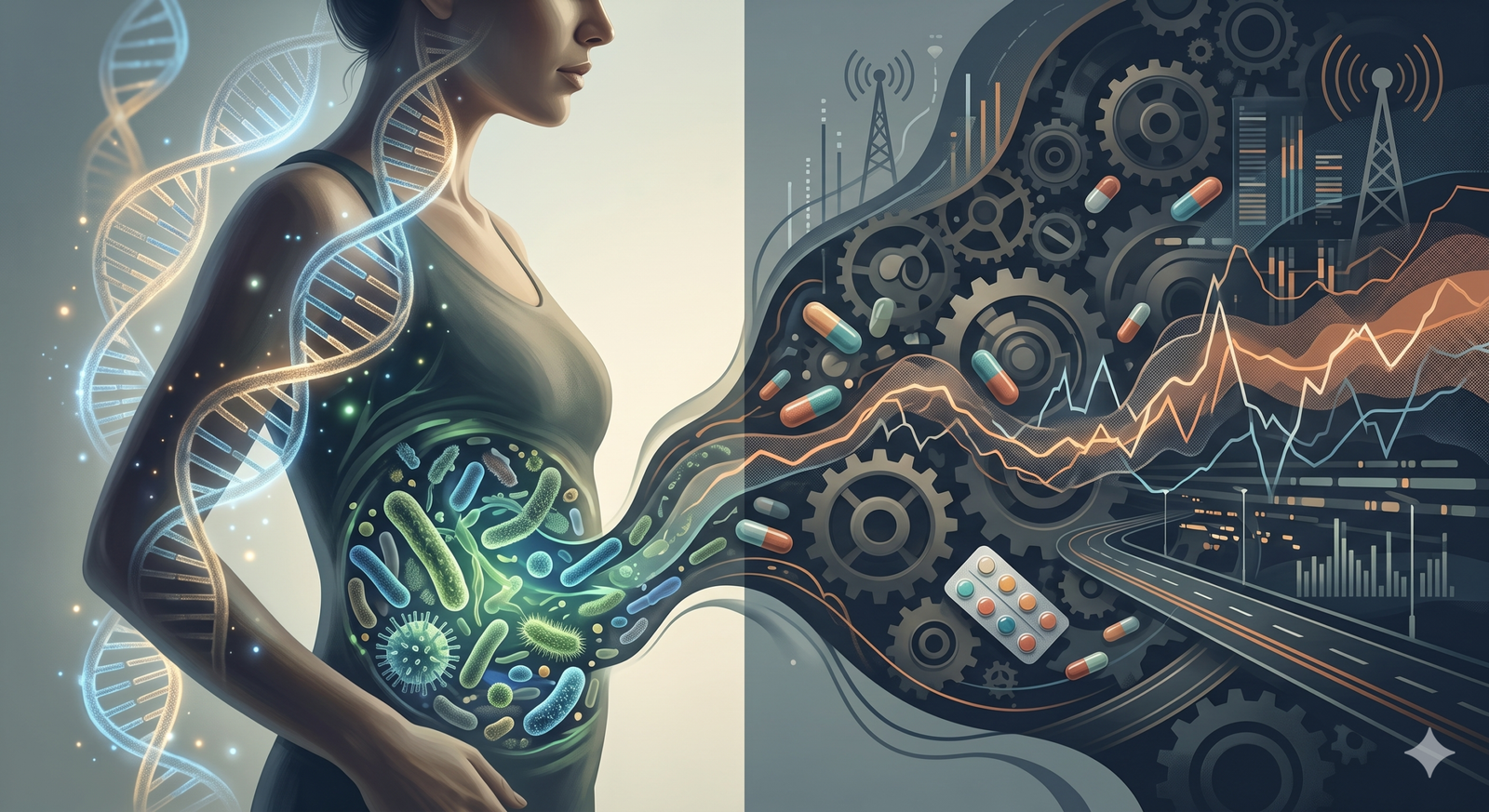
While our fundamental genetic code remains the same, prolonged exposure to our environment—such as highly processed foods, chronic systemic stress, environmental toxins, and sedentary living—attaches micro-chemical tags to our DNA. These tags act like regulatory light switches, turning specific genes on or off.
- Dietary Exposure: Consistently feeding the digestive system inflammatory, chemical-laden foods changes the gut microbiome and shifts metabolic pathways, creating deep-seated insulin resistance or auto-immune issues.
- The Genetic Stain: Just like the smoke particles that alter the core composition of plastic, these epigenetic modifications permanently alter how our body functions. Alarmingly, research shows these chemical tags can be passed down to future generations, transferring the “stain” of our environment into our children’s biological blueprints.
2. The Commercial Illusion: Creating the Key Before the Lock
Environmental conditioning on human health: As society experiences a sharp rise in chronic illnesses, metabolic disorders, and reproductive challenges like infertility, a paradoxical economic trend has emerged. In modern commercial healthcare, we increasingly see a “key before the lock” phenomenon. Instead of cleaning the air to protect the purifier, the system invents a specialized chemical coating to sell you after the damage is done.
In medicine, this manifest in two distinct ways:
- Disease Mongering: Pharmaceutical systems often identify a chemical compound or treatment (the key) first. Once a tool is established, diagnostic boundaries are subtly expanded, and awareness campaigns are launched to popularize a specific medical condition (the lock) that requires that exact drug.
- Aggressive Screening Bypasses: The explosion of modern medical interventions, such as the rapid multiplication of IVF clinics, often addresses the symptoms of deep environmental degradation without ever addressing the root causes—such as endocrine-disrupting microplastics, constant digital stress, and poor metabolic health.
3. The Displacement of Natural Wisdom: The Story of the Traditional Dai
Environmental conditioning on human health: A stark societal example of trading natural environmental resilience for commercial convenience is the systematic displacement of the traditional Dai (indigenous midwife).
For generations, childbirth was understood as a natural, physiological lifecycle event managed by community elders who held deep, hands-on knowledge of maternal care, labor positions, and natural emotional support. However, as modern obstetrics grew into a massive commercial engine, the natural process of delivery was highly medicalized:
- The Weaponization of Law: Traditional practitioners were systematically marginalized or pushed out entirely through the fear of legal penalties, rather than being upgraded and integrated into a holistic public health framework.
- The Economics of Intervention: A natural, patient-led birth yields very little commercial profit. Conversely, a C-section surgery involves surgical theater costs, anesthesiology fees, extended hospital stays, and a massive array of post-operative pharmaceuticals.
- The Loss of Societal Patience: Natural processes require immense patience and alignment with body mechanics. Modern lifestyles, seeking predictability and immediate “keys,” have willingly traded physiological resilience for the clinical convenience of a scheduled surgery, forcing global health organizations like the WHO to warn against skyrocketing, unnecessary surgical interventions.
4. The Inevitable U-Turn: Reclaiming Natural Equilibrium
Environmental conditioning on human health: Human civilization operates in deep, cyclical waves. When our artificial systems, commercial shortcuts, and complete disconnect from natural laws reach their absolute peak, the system inevitably begins to buckle under its own weight. We are currently approaching that peak, visible in the widespread crisis of lifestyle disorders and systemic health issues.
Once the limit of artificial interventions is exhausted, society is forced into a massive, collective U-turn back toward fundamental truths. We cannot permanently replace natural cellular resilience with corporate quick-fixes. Healing cannot be a surface-level cosmetic wipe down; it requires an intentional, deep overhaul of what we expose our minds, bodies, and families to every single day.
True preventative health means stepping up, taking accountability, and actively cleansing our daily environment—because as the eternal truth reminds us, God helps those who help themselves.
Conclusion
Environmental conditioning on human health: The yellowed water purifier on the kitchen wall is not just a cleaning problem; it is a profound lesson in biology and lifestyle design. Environmental conditioning on human health is absolute and cumulative. If we continue to let a toxic lifestyle environment stain our internal biology, no modern medical “key” can perfectly restore our original blueprint. True well-being begins when we stop looking for profitable surgical or pharmaceutical shortcuts and start fiercely protecting and altering the environment we live in.
Frequently Asked Questions (FAQs)
Q1: What is environmental conditioning on human health?
A1: It is the process by which prolonged exposure to lifestyle factors, dietary inputs, environmental toxins, and chronic stress permanently alters a person’s physiological, psychological, and epigenetic state over time.
Q2: Can epigenetic changes caused by a bad environment be reversed?
A2: Yes, unlike inert objects, the human body possesses neuroplasticity and cellular regeneration capabilities. However, because prolonged exposure alters deep biological structures, reversing the damage requires an extensive, long-term commitment to a clean lifestyle, proper nutrition, and environmental changes.
Q3: What does the phrase “key before the lock” mean in modern medicine?
A3: It refers to a commercial medical trend where advanced treatments or pharmaceutical compounds (the keys) are developed first, followed by an expansion of diagnostic definitions or a rise in cases for the specific conditions (the locks) those treatments fix, often ignoring root-cause prevention.
Disclaimer
Environmental conditioning on human health: The information provided in this article is for educational and philosophical purposes only and should not be construed as professional medical advice, diagnosis, or treatment. Always seek the advice of your physician or other qualified healthcare provider with any questions you may have regarding a medical condition or childbirth options.