
Table of Contents
Introduction
Fasting therapy for diabetes is rapidly shifting from an alternative wellness trend to a validated clinical strategy for addressing the root causes of metabolic disease. For decades, conventional management focused almost entirely on masking symptoms by using medications to push excess glucose out of the blood and into storage. However, this approach leaves the underlying pathology untouched.
By utilizing structured, time-limited abstention from food (Fasting therapy for diabetes), individuals can target the true driver of type 2 diabetes: ectopic fat accumulation inside the vital organs. When practiced with strict clinical oversight, this metabolic reset can restore systemic health.
1. Reversing the Hepatic Insulin Resistance Loop
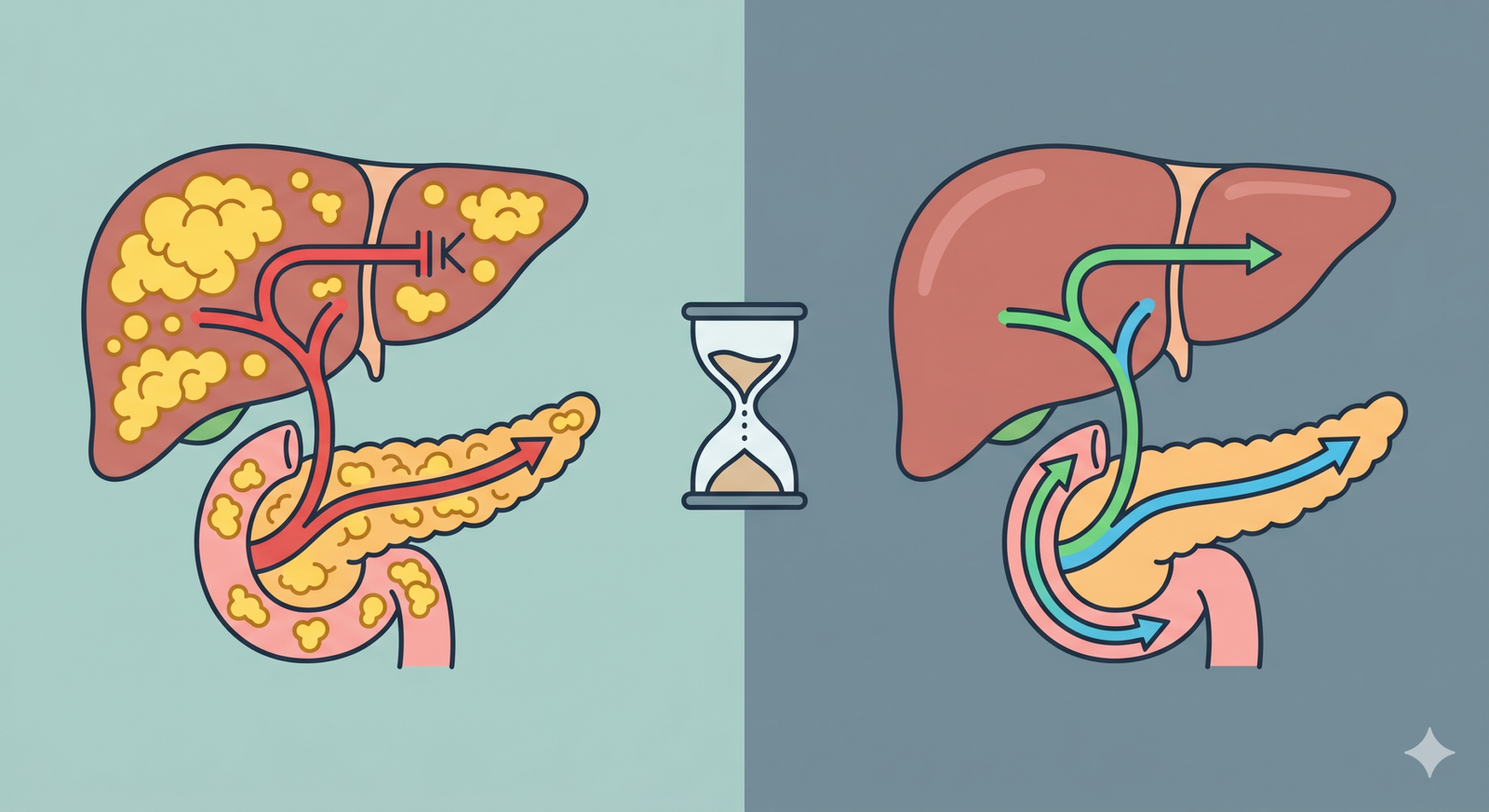
Fasting therapy for diabetes: In an overweight or obese individual, the liver acts as an overloaded sponge. When standard subcutaneous fat tissue runs out of storage space, excess lipids spill over into internal organs, a condition known as hepatic steatosis (fatty liver).
When you initiate fasting therapy for diabetes, the immediate absence of incoming dietary glucose and fructose forces a radical shift in hepatic function. The liver halts De Novo Lipogenesis—the biological pathway responsible for transforming excess carbohydrates into new fat molecules.
With no external energy arriving, the liver is forced to burn its own intrahepatic fat stores for survival. As this localized fat clears out, the liver recovers its sensitivity to insulin. It regains its ability to accurately read blood hormone signals, stopping the inappropriate dumping of glucose into the bloodstream during sleeping and fasting hours.
2. Eliminating Lipotoxicity to Wake Up Beta-Cells
Fasting therapy for diabetes: The benefits of clearing liver fat immediately cascade down to the pancreas. Under normal conditions of metabolic overload, a fatty liver constantly exports excess fat into the bloodstream packaged as Very Low-Density Lipoprotein (VLDL). This chronic fat delivery builds up inside the pancreas, causing cellular congestion.
[ Diet Overload ] ──► [ Fatty Liver ] ──► [ Excess VLDL Export ] ──► [ Fatty Pancreas ] ──► [ Beta-Cell Shut Down ]This structural congestion puts severe metabolic stress on the pancreatic beta-cells—the specialized cells tasked with producing and secreting insulin. This state, known in medicine as lipotoxicity, causes the beta-cells to go dormant. They lose their capacity to sense blood sugar variations quickly, leading to the blunted, sluggish insulin response characteristic of advanced type 2 diabetes.
Fasting cuts off the liver’s VLDL export loop. The pancreas quickly metabolizes its own local, destructive fat stores. Clinical evidence indicates that losing less than one single gram of localized fat from the pancreas is enough to lift lipotoxic stress, awakening dormant beta-cells and restoring their natural, first-phase insulin secretion.
3. Systematic Lowering of the Systemic Insulin Floor
Fasting therapy for diabetes: Chronically high blood sugar causes the body to produce chronically high levels of insulin. Over time, your cells protect themselves from this constant hormonal onslaught by down-regulating their receptors, creating insulin resistance.
Fasting introduces a sustained break in nutrient signaling. As circulating insulin levels finally drop to baseline, the body’s cells are given a chance to restore receptor sensitivity. Instead of forcing more insulin into a resistant system via medications, fasting addresses the equation from the opposite side: it lowers the systemic insulin floor, making the insulin your body does produce significantly more effective.
Conclusion
Implementing fasting therapy for diabetes targets the root structural causes of type 2 diabetes rather than just managing its surface-level symptoms. By systematically clearing obstructive ectopic fat from the liver and the pancreas, this therapeutic approach works to lift cellular lipotoxicity, restore insulin receptor sensitivity, and reactivate dormant pancreatic beta-cells. When approached with patience, structured progression, and diligent clinical tracking, fasting stands out as an exceptionally potent tool for transforming metabolic health and steering type 2 diabetes into clinical remission.
Ram Niwas Bansal
“Dedicated and highly qualified professional with a specialized focus on Cooperative Housing Society (CHS) Management and Legal Advocacy. Leveraging a strong technical background and an Indian Air Force veteran’s discipline, I provide end-to-end solutions for housing societies in Mumbai.
With a Government Diploma in Cooperation and Accountancy (GDCA) and a Diploma in Naturopathy, I bridge the gap between administrative excellence and holistic community well-being.
Medical Disclaimer
CRITICAL MEDICAL WARNING: This content regarding Fasting therapy for diabetes, is for educational and informational purposes only and does not constitute medical advice. Fasting while taking prescription anti-diabetic medications—especially insulin, sulfonylureas (e.g., glimepiride, gliclazide), or SGLT2 inhibitors—can cause life-threatening hypoglycemia or diabetic ketoacidosis. Do not alter your diet or medication dosages without direct medical supervision from your prescribing physician.
Frequently Asked Questions (FAQs)
Can fasting cause my blood sugar to drop too low?
If you are managing your health through diet alone, the risk of true hypoglycemia (blood sugar below 70 mg/dL) during a short or moderate fast is remarkably low, as the liver will create glucose via gluconeogenesis. However, if you take insulin or sulfonylureas, fasting without dropping your medication dosages will cause dangerous hypoglycemia. Medication adjustments are mandatory.
What is the “Dawn Phenomenon” during fasting?
Many diabetics notice their blood sugar rises in the early morning hours even while fasting. This occurs because the body releases counter-regulatory hormones like cortisol and growth hormone to wake you up. These hormones trigger the liver to release stored glucose. As your overall insulin sensitivity improves over weeks of fasting, this morning spike typically tempers down.
Is intermittent fasting better than prolonged fasting for diabetes?
For long-term success, intermittent fasting (like a 16:8 or 20:4 protocol) is generally superior because it can be integrated into your permanent lifestyle. Prolonged fasting (over 24 hours) clears organ fat faster but carries a much higher risk of electrolyte imbalances, muscle loss, and severe medication complications, requiring direct medical supervision.